Zuckerberg Previews Agentic Commerce: Meta's Q4 Earnings Reveal Full 2026 AI Strategy

Akihiro Suzuki
Twitter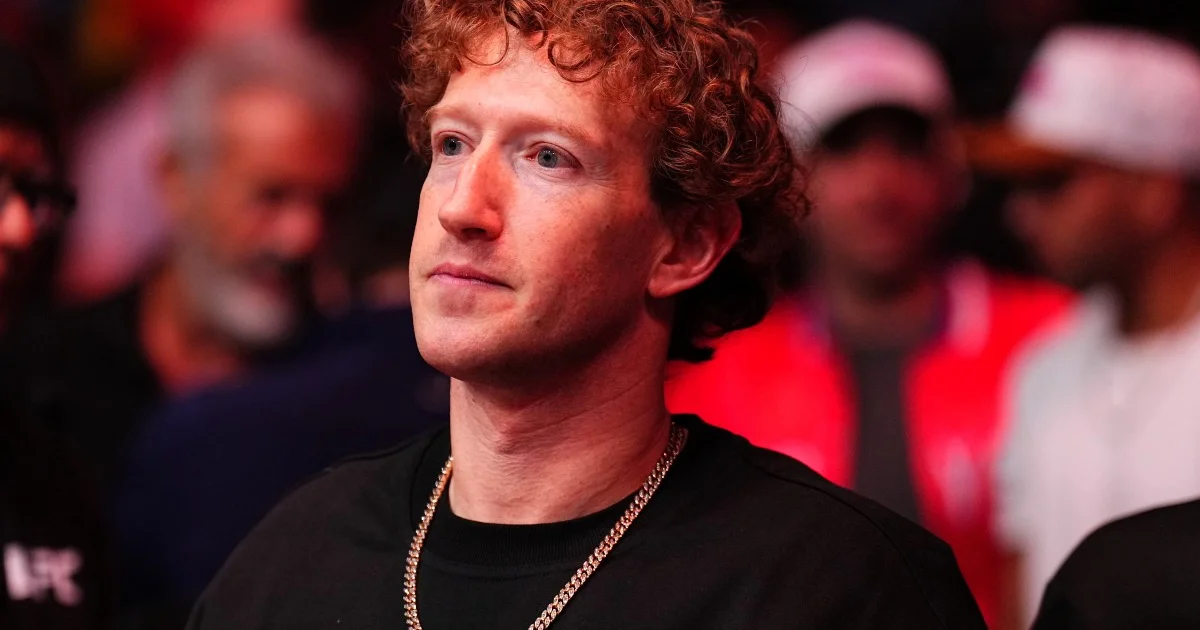
Source: techcrunch.com
Key Takeaways
- Meta's Q4 2025 revenue reached $59.9 billion, beating estimates, with 2026 AI capital expenditure planned at up to $135 billion — a record high
- Zuckerberg positions 2026 as "a big year for delivering personal super intelligence," previewing agentic commerce tools
- The "personal context" generated by 3.58 billion users forms the core of Meta's unique AI agent strategy
Zuckerberg Declares an AI Commerce Revolution for 2026
Zuckerberg teases agentic commerce tools and major AI rollout in 2026

Mark Zuckerberg says 2026 will be 'a big year for delivering personal super intelligence.'
On January 28, 2026, Meta announced its Q4 2025 earnings. Revenue reached $59.9 billion (up 24% year-over-year), with earnings per share of $8.88 — both significantly exceeding analyst expectations.
During this earnings call, Mark Zuckerberg declared 2026 "a big year for delivering personal super intelligence" and previewed a rollout of agentic commerce tools.
Background and Industry Trends
What Is Agentic Commerce?
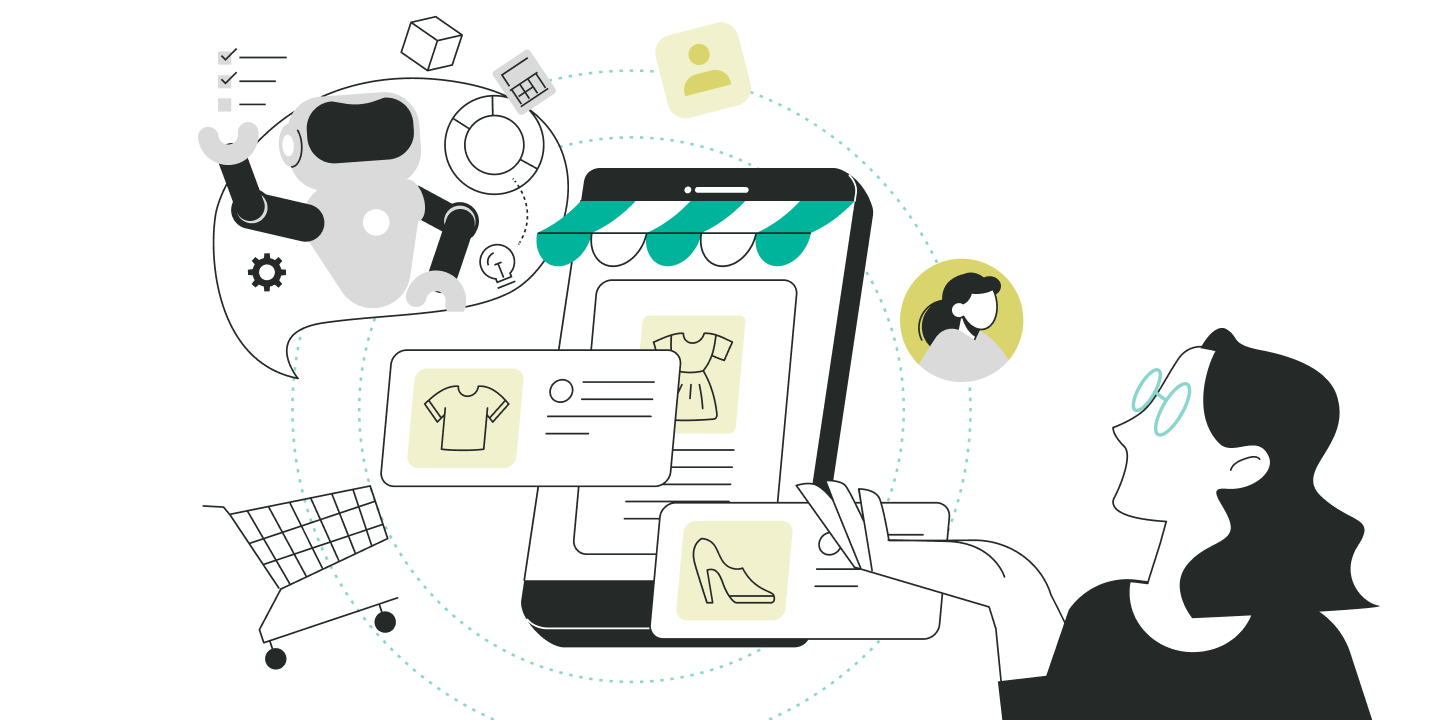
Agentic commerce is a new form of commerce where AI agents autonomously discover, compare, and purchase products on behalf of humans. After companies built foundational technologies in 2025, 2026 is expected to be the year of practical deployment.
Beyond Meta, multiple players are competing in this space. Amazon has expanded its AI assistant "Rufus" with auto-purchase capabilities, and OpenAI has integrated checkout functionality into ChatGPT through partnerships with Target and Instacart. Google has also announced agentic commerce tools for retailers, signaling a collective move by major tech companies.
Meta's Unique Advantage
What sets Meta apart is the vast personal context generated by 3.58 billion daily active users. During the earnings call, Zuckerberg stated:
We're starting to see the promise of AI that understands our personal context — our history, our interests, our content, and our relationships. A lot of what makes agents valuable is the unique context that they can see, and we believe that Meta will be able to provide a uniquely personal experience.引用元:Mark Zuckerberg (Fortune)

User data spanning Facebook, Instagram, WhatsApp, and Threads provides a unique advantage in building personalized AI agents that no other company can match.
Meta's Agentic Commerce Strategy
1. Agentic Shopping Tools
According to TechCrunch, Zuckerberg said Meta will "start shipping new models and products over the coming months," specifically announcing that "new agentic shopping tools will allow people to find just the right set of products from the businesses in our catalog."
This strategy is built on the foundation of restructuring the AI research division as "Meta Superintelligence Labs" in mid-2025, bringing in Scale AI CEO Alexandr Wang to lead it. According to Fortune, Zuckerberg said "our first models will be good, but more importantly, they will show the rapid trajectory that we're on."
2. Merging LLMs with Recommendation Systems
Zuckerberg revealed plans to integrate LLMs with the recommendation systems on Facebook, Instagram, and Threads. He stated that "the current systems are primitive compared to what will be possible soon," predicting that "soon, you'll open our apps and you'll have an AI that understands you and also happens to be able to show you great content or even generate great personalized content for you."
3. Manus Acquisition and AI Agent Integration
In December 2025, Meta acquired general-purpose agent developer Manus. The technology has been integrated into Instagram direct messages, symbolizing the shift from AI chatbots to "autonomously acting AI agents."
4. Business AI (AI Agent for Brands)
According to Retail TouchPoints, Meta unveiled a customizable AI agent called "Business AI" for brands in October 2025. Configurable through Meta Business Suite, it uses brand websites, product catalogs, and past posts and ad campaigns as training data. It can be used for customer interactions on WhatsApp and Messenger, and Clara Shih (Head of Business AI) stated that "the shopping funnel is collapsing — from clicks to conversations to relationships."
5. Massive Infrastructure Investment
Underpinning all of this is a 2026 capital expenditure of $115 billion to $135 billion — nearly double the previous year. The newly established "Meta Compute" organization oversees infrastructure development, and Zuckerberg emphasized that "being the most efficient company at building AI infrastructure will be a strategic advantage."
Impact and Action Items for E-Commerce Businesses
Short-term: Preparing for Agentic Shopping Tools
The era where AI agents recommend and discover products on Meta is approaching. Here's what e-commerce businesses should do now:
- Optimize product pages: Implement structured data (Schema.org) so AI can accurately read product information
- Enrich product catalogs: Maintain accurate and detailed images, descriptions, and pricing
- Set up Meta Shops/Instagram Shop: Keep shop features up to date as destinations for AI agent interactions
Mid-term: Leveraging Business AI
As AI-powered customer service expands on WhatsApp and Messenger, these preparations are important:
- Organize FAQs and product information: Enrich content that serves as training data for Business AI
- Design purchase flows: Build purchase paths through messaging apps
Risks to Watch
Challenges remain, however. AI agent-driven commerce is still in its early stages — according to Modern Retail, only about 2% of ChatGPT queries are shopping-related (though this translates to approximately 50 million queries daily). Privacy concerns and legal liability when AI agents complete transactions based on incorrect information also remain unresolved. Gradual adoption and performance measurement are essential.
Conclusion
Meta's Q4 2025 earnings mark a turning point in the company's transformation from a social media company to an AI agent company. Zuckerberg's vision of "personal super intelligence" is backed by a 3.58 billion user base and up to $135 billion in infrastructure investment — far from mere aspiration.
The most important development for e-commerce businesses to watch is the specific implementation of the "agentic shopping tools" Zuckerberg previewed. If AI agents operate across massive platforms like Facebook, Instagram, and WhatsApp, it could have a significant impact on the adoption of agentic commerce. We recommend starting now with product data preparation and Meta Shop optimization.
Related Articles

What is Agentic Commerce? Explaining the New Era of AI-Powered Purchasing
Explore the full scope of Agentic Commerce. AI agents autonomously execute everything from product selection to payment on behalf of users. Discover shocking data including 4,700% increase in AI-driven traffic and 20% of Walmart's traffic from ChatGPT, along with three essential preparation steps companies should start immediately.
Microsoft Copilot Checkout Arrives: AI Commerce Market Now Has Four Major Players
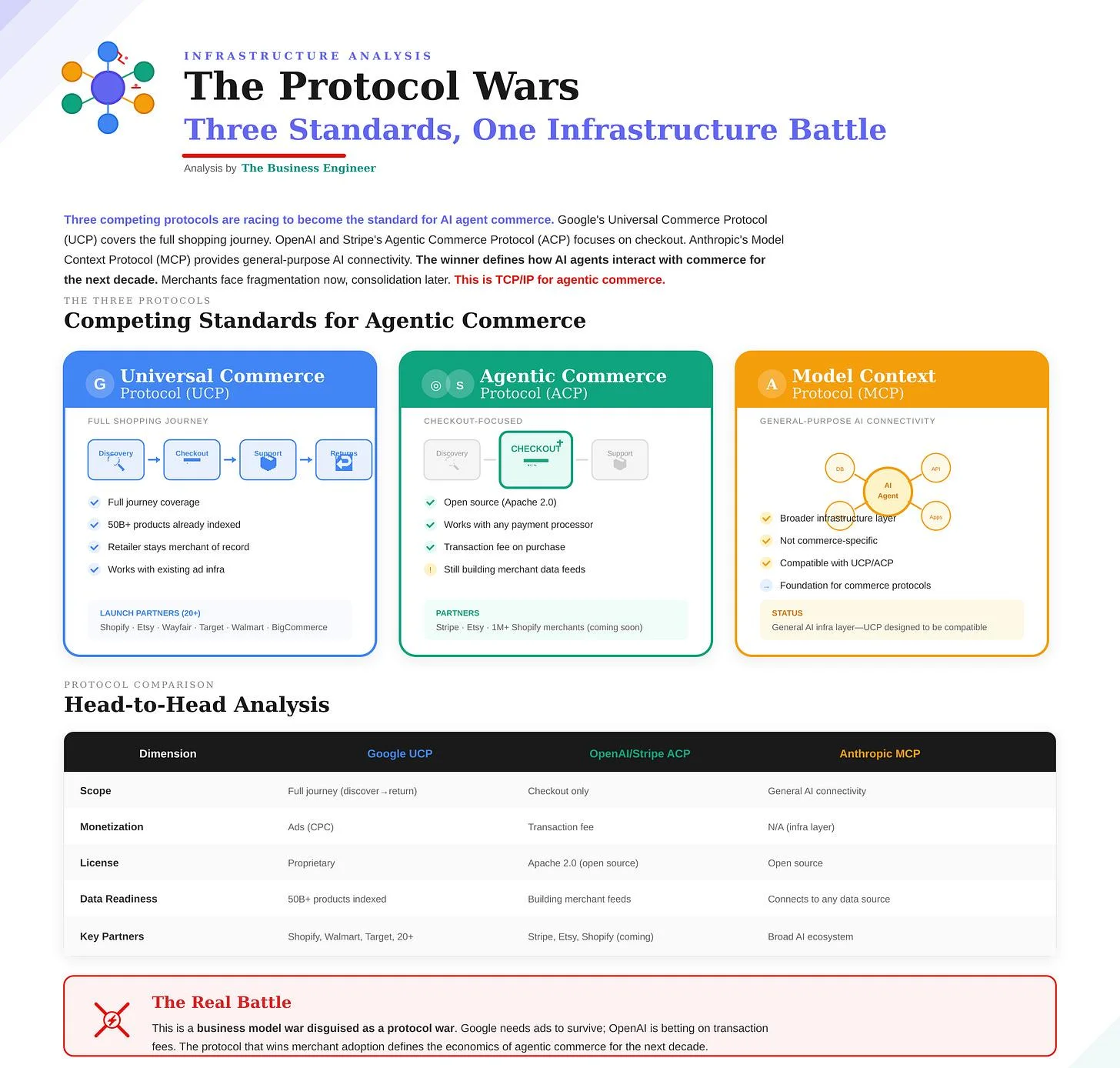
Google, OpenAI, Microsoft, and Perplexity compete for AI commerce dominance with different protocols and revenue models. Here's what e-commerce businesses need to know about each player's strategy.
Shopify Partners with Both Google and Microsoft for Agentic Commerce, Pursues All-Encompassing Strategy
Shopify co-develops Google's UCP while also integrating with Microsoft Copilot Checkout. Building a 'buy from any AI' environment as an e-commerce platform.
Tags
Share this post