Shopify Partners with Both Google and Microsoft for Agentic Commerce, Pursues All-Encompassing Strategy

Akihiro Suzuki
Twitter
Source: www.shopify.com
Key Takeaways
- Shopify co-develops Google's UCP while also integrating with Microsoft Copilot Checkout
- Building a "buy from any AI" environment as an e-commerce platform
- Shopify merchants are automatically enrolled, enabling AI commerce participation without additional setup
Shopify Announces All-Encompassing Strategy at NRF 2026

The agentic commerce platform: Shopify connects any merchant to every AI conversation

Shopify now enables native commerce at scale across all major AI channels and built an open standard, co-developed with Google.
On January 11, 2026, Shopify made significant moves at NRF 2026 (National Retail Federation Annual Convention) held in the United States. The company announced participation in the co-development of Google's Universal Commerce Protocol (UCP) while simultaneously announcing integration with Microsoft Copilot Checkout. As an e-commerce platform, Shopify revealed its all-encompassing strategy of working with both camps simultaneously to build an environment where customers can "buy from any AI."
This announcement demonstrates what position Shopify will take as a platform provider as major tech companies enter agentic commerce—including OpenAI's Instant Checkout, Google's UCP, and Microsoft's Copilot Checkout.
Background and Industry Trends
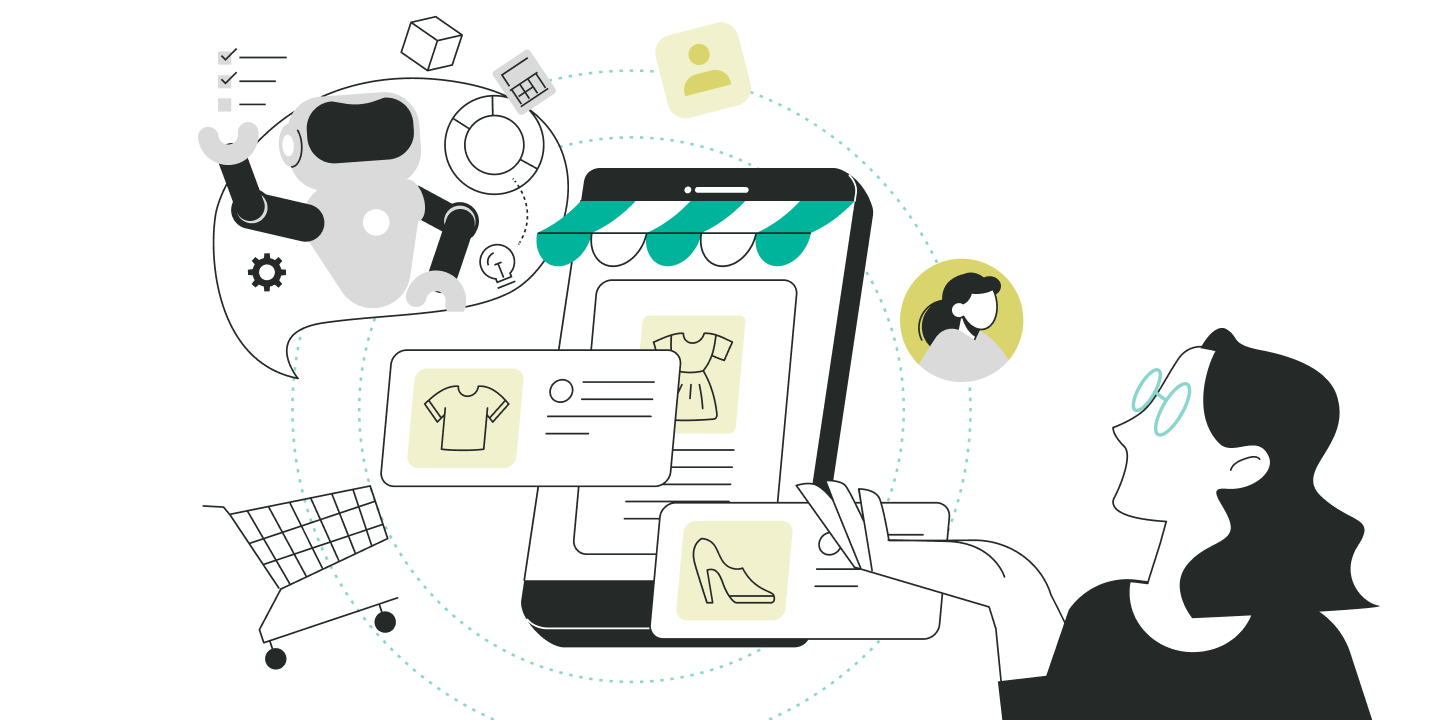
Agentic commerce is a next-generation e-commerce experience where AI agents handle everything from product search to purchase completion on behalf of consumers. According to McKinsey's forecast, it could grow to a $3-5 trillion market by 2030.
From late 2025 to early 2026, major tech companies entered this space one after another. OpenAI announced Instant Checkout in September 2025. Google announced UCP and Microsoft announced Copilot Checkout in January 2026.
Amid this rapid movement, e-commerce platforms were facing pressure to choose "which AI to support." Shopify's announcement provides one answer to that question.
Co-Development of Universal Commerce Protocol (UCP)
UCP is an open standard that enables AI agents to execute the entire purchasing process from product search to purchase and post-purchase support. Shopify is co-developing with Google, with Etsy, Wayfair, Target, and Walmart also participating.
Over 20 companies support UCP, including major payment and retail players such as Adyen, Mastercard, Visa, American Express, Stripe, Best Buy, Macy's, The Home Depot, Flipkart, and Zalando.
UCP has three key technical features:
Flexible Architecture: Supports multiple protocols including REST, Model Context Protocol (MCP), Agent Payments Protocol (AP2), and Agent2Agent (A2A). Implementation can be tailored to merchants' existing systems.
Gradual Adoption: Adopts a "Capabilities" model that allows selective implementation of only needed features. Discount codes, loyalty integration, subscription support, and more can be added individually.
Maintaining Merchant Autonomy: Sellers remain recorded as "sellers" and maintain customer relationships. The structure doesn't depend on AI platforms.
Shopify merchants will be able to sell products directly within Google Search's AI Mode and the Gemini app. This feature is "expected to roll out soon."
Integration with Microsoft Copilot Checkout
Shopify also announced integration with Microsoft Copilot Checkout. Copilot Checkout is a feature that allows purchasing products during conversations on Microsoft's various services including Bing, MSN, and Edge.
What's important for Shopify merchants is the "automatic enrollment" mechanism. Shopify merchants are automatically enrolled in Copilot Checkout. While opt-out is possible, merchants can enter AI commerce without any special setup.
Payment processing is handled by PayPal, Stripe, and Shopify. Rollout has begun from Copilot.com in the US, with Etsy sellers, Urban Outfitters, Anthropologie, and Ashley Furniture participating as initial partners.
Opening to Non-Shopify Merchants Through "Agentic Plan"
Another notable aspect of this announcement is the introduction of the "Agentic Plan." This allows merchants not using Shopify to register products in Shopify Catalog and sell through ChatGPT, Microsoft Copilot, and the Shop app.
This indicates that Shopify is evolving from an e-commerce platform to "AI commerce infrastructure."
Impact and Strategies for E-commerce Merchants
Shopify Merchants: No special action required. Google's features will roll out progressively, and Copilot Checkout enrollment is automatic. The US is leading, but global expansion is planned.
Implications for Japanese E-commerce Merchants: While the Japan market launch timing hasn't been announced, Japanese merchants using Shopify may be able to enter AI commerce without additional development once infrastructure-side support is complete.
Differentiation from Competing Platforms (BASE, STORES, etc.): Currently, no Japanese e-commerce platforms have announced integration with Google UCP or Copilot Checkout. Shopify's all-encompassing strategy can be a clear differentiator from other platforms.
Cautions: Agentic commerce is still in its early stages. According to IAB research, only 46% of consumers fully trust AI recommendations. Additionally, ChannelEngine research shows only 17% of consumers are comfortable letting AI make purchases for them. Building consumer trust may take time.
Conclusion
Shopify's announcement clearly states its platform strategy of "not betting on a specific AI, but enabling purchases from all AIs."
Through participation in Google UCP co-development and automatic integration with Microsoft Copilot Checkout, Shopify merchants can access multiple AI ecosystems simultaneously. Furthermore, the Agentic Plan opens doors to non-Shopify merchants.
Three points to watch going forward:
- Japan Market Launch Timeline: International expansion schedule for UCP and Copilot Checkout
- Consumer Acceptance: How far will AI-powered purchasing spread
- Competing Platform Movements: How Japanese platforms like BASE and STORES will respond
While full-scale adoption of agentic commerce may take several years, infrastructure development is progressing steadily. E-commerce merchants should start monitoring these developments now.
References
- The agentic commerce platform: Shopify connects any merchant to every AI conversation - Shopify Official Announcement
- Building the Universal Commerce Protocol (2026) - Shopify Engineering
- New tech and tools for retailers to succeed in an agentic shopping era - Google Official Blog
- Google announces a new protocol to facilitate commerce using AI agents - TechCrunch
- Microsoft launches Copilot Checkout and Brand Agents - Search Engine Land
- Google bolsters bet on AI-powered commerce with new platform for shopping agents - CNBC
Related Articles

What is Agentic Commerce? Explaining the New Era of AI-Powered Purchasing
Explore the full scope of Agentic Commerce. AI agents autonomously execute everything from product selection to payment on behalf of users. Discover shocking data including 4,700% increase in AI-driven traffic and 20% of Walmart's traffic from ChatGPT, along with three essential preparation steps companies should start immediately.
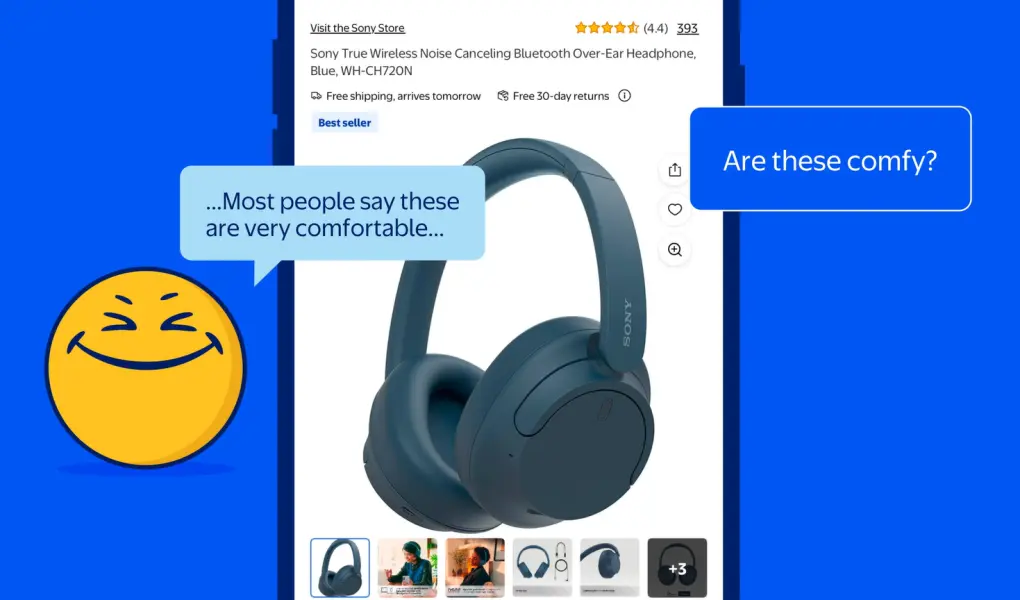
Walmart's Agentic Commerce Vision: Four Pillars and Less Scrolling Shopping
Walmart launches AI-driven agentic commerce strategy. Partnering with Google and OpenAI to lead conversational shopping standards with four pillars: practicality, personalization, immersion, and anticipatory commerce.

Amazon Announces Walmart-Style Supercenter Plans: Building 220,000 Sq Ft Store in Chicago Suburb
Amazon submits plans for 229,000 sq ft big-box store in Orland Park, Illinois - larger than Walmart Supercenter average, selling groceries and general merchandise.
Tags
Share this post