Talon.One Announces Unified Incentives Protocol — A New Standard to Make Loyalty and Promotions Visible to AI Agents

Akihiro Suzuki
Twitter
Source: www.businesswire.com
Key Takeaways
- Talon.One announces the Unified Incentives Protocol (UIP) to make loyalty and promotion data machine-readable for AI agents
- Delivers loyalty and discount extensions for Google's Universal Commerce Protocol (UCP), enabling access from AI agents like Gemini
- In the agentic commerce era, brands must win selection through "incentive visibility" rather than price competition alone
Talon.One Announces New Protocol for Agentic Commerce
Talon.One Announces Unified Incentives Protocol to Power Loyalty and Promotions in Agentic Commerce

Talon.One launches Unified Incentives Protocol making loyalty and promotions machine-readable for AI agents, including native MCP server support.
On January 28, 2026, Talon.One, an enterprise promotion and loyalty platform provider, announced the Unified Incentives Protocol (UIP). UIP is a platform-agnostic specification designed to deliver incentive information—coupons, points, discounts, and rewards—in a standardized, machine-readable format that AI agents can process.
The Rapid Rise of Agentic Commerce
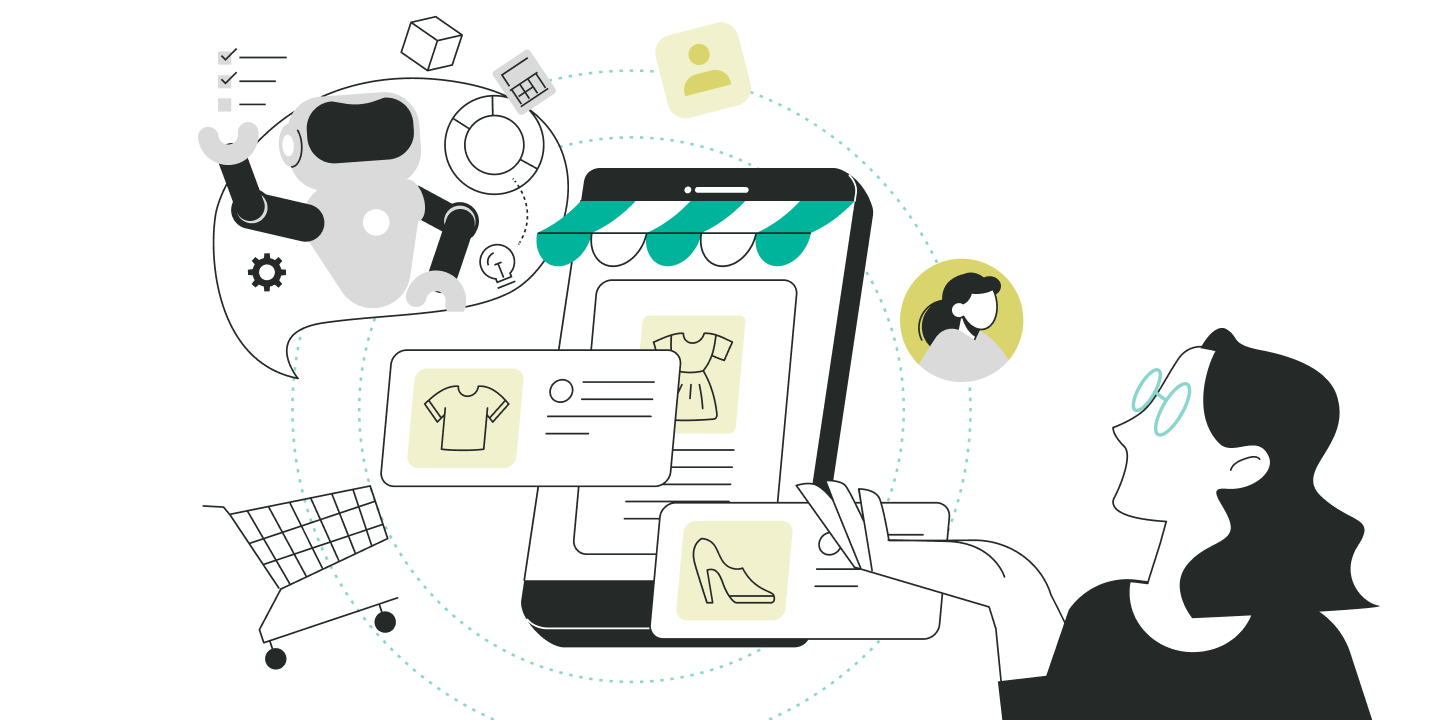
Agentic commerce is a new form of commerce where AI agents autonomously execute everything from product search to purchase. During the 2025 holiday season, agentic technology reportedly contributed $262 billion in retail sales, and agentic commerce is expected to capture up to 20% of market share in the U.S. alone by 2030.
Accelerating this trend was Google's announcement of the Universal Commerce Protocol (UCP) at the NRF (National Retail Federation) conference in January 2026. According to the Google Developers Blog, UCP is an open-source specification that standardizes the entire commerce flow from product discovery to checkout and order management, with over 20 global partners including Shopify, Target, Walmart, Visa, and Mastercard. UCP supports three integration methods—API, Agent2Agent (A2A), and Model Context Protocol (MCP)—designed so AI agents can directly invoke tools like create_checkout.
How the Unified Incentives Protocol Works
The Problem UIP Solves
Traditionally, loyalty program and promotion information has been fragmented across multiple systems including ERP, POS, e-commerce platforms, and CRM. While human shoppers can enter coupon codes on product pages or check their points balance, this information was invisible to AI agents. UIP eliminates this fragmentation by making incentive information machine-readable in real time.
First Release as Google UCP Extensions
As UIP's first concrete deliverable, Talon.One released two extensions for Google UCP: a loyalty extension and a discount extension. According to Talon.One's official blog, these extensions enable UCP-compatible agents to access the following information:
- Loyalty information: Customer point balances, tier status, per-transaction point earning and redemption, card-based loyalty programs
- Discount information: Scope (product, cart, shipping), discount type (percentage, fixed amount), code-based or automatic application, discount stacking rules
The Role of MCP
Through MCP, AI agents can detect information such as "this brand offers free shipping for loyalty members and a bonus gift for repeat purchases." Talon.One CEO Christoph Gerber stated:
Imagine Gemini recommending Brand A over Brand B not because of price or preference alone, but because the purchase earns 200 points and unlocks Gold tier status引用元:Christoph Gerber, CEO of Talon.One (Business Wire)

Impact and Strategies for E-Commerce Merchants
Winning on Incentives, Not Just Price
In agentic commerce, AI agents compare multiple brands to present optimal choices. Price-only competition is unsustainable. By making loyalty points, exclusive benefits, and personalized discounts machine-readable, merchants can communicate differentiation factors beyond price to AI agents.
Centralized Incentive Management Becomes Essential
Promotion information fragmented across ERP, POS, e-commerce platforms, and other systems poses a significant barrier for AI agents. As Talon.One points out, centralized management of promotions and loyalty is essential for success in agentic commerce.
Why You Should Start Preparing Now
Already, 22% of consumers use AI for product discovery, and this percentage is expanding rapidly. While UCP integration and MCP server implementation require technical investment, early adoption provides a significant competitive advantage. Talon.One has indicated plans to develop incentive extensions for agentic platforms beyond UCP.
Conclusion
Talon.One's Unified Incentives Protocol is an initiative to build the "incentive infrastructure" for the agentic commerce era. By integrating with open standards like Google UCP and MCP, AI agents can understand brand loyalty programs and discount information in real time, enabling better recommendations for consumers.
The key insight for e-commerce merchants is that AI agents represent a new "channel." Just as you optimize your website and mobile app, preparing incentive information for AI agents will be crucial for future competitiveness.
Related Articles
Google Announces Universal Commerce Protocol (UCP), Forms Major Coalition for Agentic Commerce Standardization
Google unveiled UCP at NRF 2026, an open standard co-developed with Shopify, Walmart, and 20+ partners to standardize AI agent-powered shopping experiences.
Shopify Partners with Both Google and Microsoft for Agentic Commerce, Pursues All-Encompassing Strategy
Shopify co-develops Google's UCP while also integrating with Microsoft Copilot Checkout. Building a 'buy from any AI' environment as an e-commerce platform.
commercetools Launches 'AgenticLift' — Enable Agentic Commerce Without Replacing Your Existing System
commercetools announces AgenticLift, a standalone agentic commerce product. Enable AI shopping capabilities without replatforming your existing e-commerce system.
Tags
Share this post