
Mastercard Announces New Rules for AI Agent Payments - Standardizing Checkout for the Agentic Commerce Era

Akihiro Suzuki
Twitter
Source: www.axios.com
Key Takeaways
- Mastercard announces Agent Pay, new rules and checkout standards enabling autonomous payments by AI agents
- Partners with Google's Universal Commerce Protocol (UCP) for industry-wide interoperability
- E-commerce operators can accept AI agent payments with no code changes—early adoption creates competitive advantage
Mastercard Establishes Industry Standard Rules for AI Agent Payments
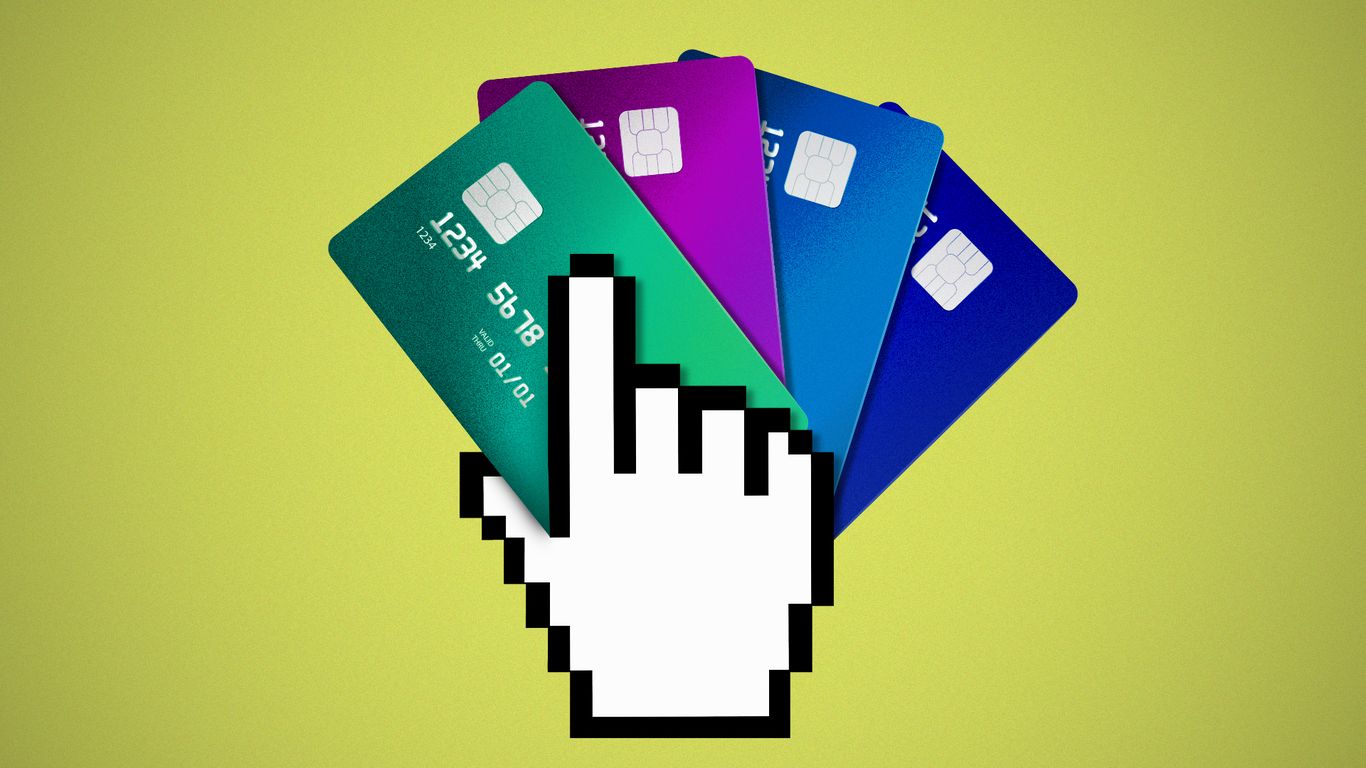
Mastercard moves to shape AI shopping as agents reach checkout

As AI agents start shopping and checking out on consumers' behalf, Mastercard wants to set the rules.
In January 2026, Mastercard announced comprehensive rules and checkout standards for "agentic commerce"—autonomous commercial transactions by AI agents. This move follows CEO Michael Miebach's declaration in October 2025 that "agentic commerce has arrived."
The new rules establish industry standards for ensuring security and transparency in agentic commerce, where AI agents search for and compare products on behalf of consumers and complete payments. They also integrate with Google's Universal Commerce Protocol (UCP), announced at the NRF Annual Conference on January 11, 2026, to achieve industry-wide interoperability.
Why AI Checkout Rules Are Needed Now
The rapid adoption of agentic commerce has made establishing industry standards an urgent priority.
According to Adobe Analytics research, generative AI traffic to US retail sites increased 1,200% year-over-year in Q1 2025. OpenAI acquired 800 million active users as of April 2025, doubling from 400 million in just weeks.
McKinsey predicts that by 2030, AI agents will mediate $900 billion to $1 trillion in transactions in the US B2C market. PYMNTS Intelligence estimates that approximately 20% of e-commerce activity will be processed by AI agents during 2025.
However, AI agent-initiated payments carry inherent risks. When agents conduct transactions late at night or make bulk purchases across multiple regions in short timeframes, traditional fraud detection systems struggle to distinguish legitimate transactions from fraud. Additionally, responsibility for purchases that don't match consumer intent was unclear.
Agent Pay's Four Pillars and Checkout Standards
1. Agent Registration and Tokenization
At the core of Mastercard's Agent Pay is the "agentic token." This extends the tokenization technology the company uses for payments worldwide, linking AI agents to individual users while protecting payment credentials and enabling seamless transactions.
Only registered agents can conduct transactions, and all transactions are managed and tracked through Mastercard network tokens. This ensures a complete audit trail of which agent purchased what, when, and where.
2. Purchase Intent Verification
Under the new rules, payment tokens include "purchase intent data." This records the instructions consumers gave to agents, cart contents, transaction limits, validity periods, and more.
This data not only verifies that consumer intent matches actual transactions but also serves as an audit trail in case of disputes. Traditional dispute resolution involved four parties—cardholders, issuing banks, acquiring banks, and merchants—but AI agent involvement adds a new layer of responsibility.
3. Mandatory Consumer Consent
Explicit consumer approval via biometric authentication becomes a prerequisite for agent-initiated purchases. This makes human approval mandatory rather than optional, preventing unauthorized spending.
Mastercard expresses this as "user intent is not inferred—it is verified, consented to, and placed at the center of every transaction."
4. Industry Standard Integration
Mastercard integrates with Google's Universal Commerce Protocol (UCP) to ensure interoperability. UCP is an open-source standard supported by over 20 retailers including Shopify, Etsy, Wayfair, Walmart, Target, Home Depot, Best Buy, and Macy's, along with payment providers like Visa, Stripe, and Adyen.
Mastercard Chief Digital Officer Pablo Fourez stated: "As this ecosystem evolves, Mastercard is working with the industry to promote protocols that build trust, security, and accountability from the start."
Impact on E-commerce Operators: No-Code AI Agent Payment Acceptance
Agent Pay Acceptance Framework
The most important announcement for e-commerce operators is the Agent Pay Acceptance Framework. This enables merchants to accept payments from AI agents without significant system development.
On January 2, 2026, Fiserv announced integration of this framework into Clover POS and e-commerce platforms. Merchants processing payments through Fiserv can handle transactions from AI agents using existing authentication, payment, and settlement flows.
Specific Action Points
1. CDN-Level Authentication SupportMastercard recommends implementing the Web Bot Auth standard. This can be implemented at the CDN (Content Delivery Network) layer, verifying agent authenticity without deploying new code.
2. Leveraging Existing Payment InfrastructureTransactions from AI agents are processed through existing card network rails. Merchants don't need to build new payment systems—they can accept agent transactions within their existing Mastercard merchant agreements.
3. Fraud Detection AdjustmentsAI agent transaction patterns differ from traditional consumer behavior, requiring fraud detection rule adjustments. Agentic tokens enable distinguishing legitimate agent transactions from fraudulent activity.
Current State of Consumer Adoption
However, consumers aren't fully prepared. According to ChannelEngine research, only 17% of 4,500 surveyed consumers feel "comfortable" letting AI complete purchases. Many consumers already use AI for product research but show caution about delegating payments.
Summary: 2026 Marks the Beginning of the Agentic Commerce Era
Mastercard's new rules announcement signals that AI agent-initiated payments have transitioned from "experimental stage" to "full deployment stage."
Rollout Schedule is as follows:
- November 2025: All US Mastercard cardholders become Agent Pay-enabled
- Early 2026: Global expansion begins
- Ongoing: Deeper UCP integration, expanded merchant support
For e-commerce operators, this change represents the emergence of a new channel. In a world where AI agents select optimal products on behalf of consumers, "agent optimization"—different from traditional SEO and listing ads—could become a source of competitive advantage.
We recommend first considering support for the Agent Pay Acceptance Framework and confirming integration status with your payment provider. Starting preparations now is crucial to not miss the agentic commerce wave.
Related Articles
Fiserv and Mastercard Expand Partnership to Advance Agentic Commerce
Fiserv becomes the first major payment processor to adopt Mastercard's Agent Pay Acceptance Framework at scale, enabling standardized AI-initiated autonomous payments.

Google Announces Universal Commerce Protocol (UCP), Forms Major Coalition for Agentic Commerce Standardization
Google unveiled UCP at NRF 2026, an open standard co-developed with Shopify, Walmart, and 20+ partners to standardize AI agent-powered shopping experiences.

FIS Partners with Visa and Mastercard to Secure Banks' Position in Agentic Commerce
FIS announces partnership with Visa and Mastercard to launch bank-focused agentic commerce platform by end of Q1 2026. AI agents will automatically execute product searches, negotiations, and purchases through existing payment networks.
Tags
Share this post