Amazon vs Walmart: Contrasting Strategies in Agentic Commerce

Akihiro Suzuki
Twitter
Source: www.pymnts.com
Key Takeaways
- Walmart adopts Google UCP for open standards; Amazon maintains proprietary systems like Just Walk Out
- Fundamental conflict: interoperability vs. control, ease of integration vs. ecosystem lock-in
- These strategic choices may determine the future landscape of the agentic commerce market
Retail Giants Take Different Paths
Amazon and Walmart Swap Scripts as Retail's Agentic Future Looms

The changing face of retail is redefining the traditional roles of Amazon and Walmart as both seek to push innovation and technology.
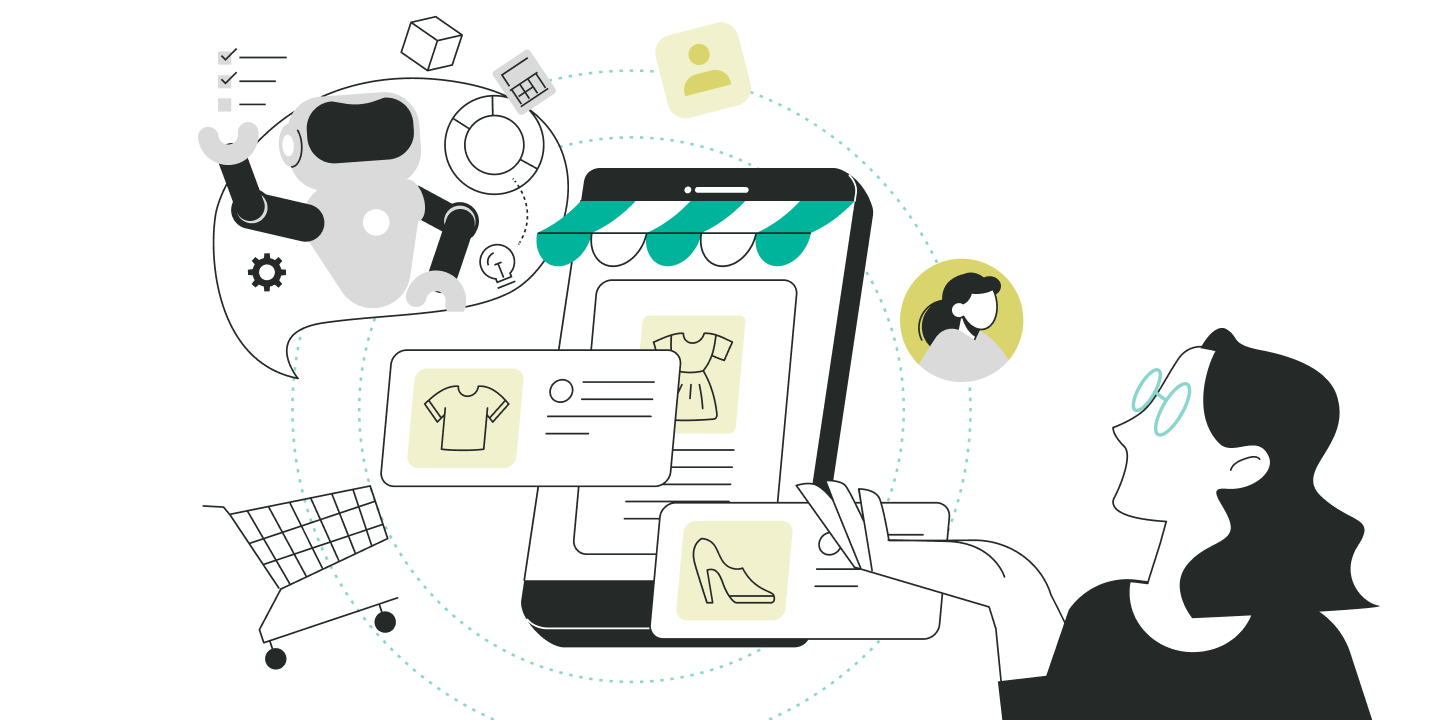
As agentic AI transforms retail, the two giants Amazon and Walmart have chosen contrasting strategies.
Walmart has joined Google's Universal Commerce Protocol (UCP), emphasizing interoperability through open standards.
Amazon continues developing proprietary systems, maintaining a closed ecosystem approach.
This difference in choice is not merely technical—it reflects fundamentally different strategies in the race for dominance in the agentic commerce era.
Walmart's "Open" Strategy
Joining Google UCP
At the January 2026 NRF (National Retail Federation) conference, Walmart announced the Universal Commerce Protocol (UCP) alongside Google.
UCP features:
- AI agents can connect with retailers in standardized ways
- Provides consistent experience from product discovery to checkout
- Over 20 companies including Shopify, Etsy, Wayfair, and Target participating
Competing on "Ease of Integration"
Walmart's strategy is clear:
Scale comes from being easy to plug into, not from building the most elegant closed system
引用元:Industry Analyst

By enabling any AI agent or platform to purchase Walmart products, they maximize transaction opportunities.
Amazon's "Closed" Strategy
Not Joining UCP
Notably, Amazon's name was absent from Google's UCP announcement.
Amazon, which has long dominated online shopping infrastructure, chose its own path rather than joining open standards.
Proprietary Agentic Features
Amazon is developing its own AI capabilities:
| Feature | Overview |
|---|---|
| Rufus | AI assistant supporting product search and recommendations within Amazon |
| Buy For Me | Feature enabling purchases from third-party sites without leaving Amazon app |
| Just Walk Out | Cashierless checkout technology, portable kiosk deployment |
"Buy For Me" Controversy
Amazon's "Buy For Me" feature lets customers purchase products from other websites without leaving the Amazon app. However, some brands have criticized that "products appeared without permission."
Philosophy Behind the Strategies
Walmart: Creating a Price Competition Arena
Walmart's strategy assumes that a standardized agentic environment will promote "price-based competition."
In a world where AI agents compare multiple retailers and choose the cheapest, most convenient option, Walmart's "Everyday Low Price (EDLP)" strategy has the advantage.
Amazon: Making Loyalty Invisible
Amazon's strategy aims to make "brand loyalty almost invisible" by embedding commerce into everyday life.
Their existing Prime membership lock-in provides the foundation for this approach.
Strategy Comparison Table
| Aspect | Walmart | Amazon |
|---|---|---|
| Standardization | Open standards (UCP) | Proprietary protocols |
| AI Partners | Both Google and OpenAI | In-house development |
| Competition Axis | Price and convenience | Ecosystem lock-in |
| Physical Retail | Existing stores, drone delivery | Megastores, Just Walk Out |
| Philosophy | Ease of integration | Control and speed |
Amazon CEO's Perspective
Amazon CEO Andy Jassy stated in a recent earnings call:
Agentic commerce has a chance to be really good for e-commerce. I expect we'll partner with third-party agents over time
引用元:Andy Jassy, Amazon CEO
However, he also noted that "agents aren't very good at personalization," showing a cautious stance toward immediate participation.
Summary
The difference between Amazon and Walmart's agentic commerce strategies symbolizes the fundamental conflict between "open vs. closed" and "interoperability vs. control."
The outcome of this competition may determine the shape of the entire agentic commerce market. If open standards become mainstream, opportunities open up for smaller retailers. If Amazon's closed approach wins, platform dominance will strengthen further.
2026 will be the year the opening battles of this war unfold.
Related Articles
Walmart and Google Announce Agentic AI Partnership: A New Era for Retail Begins
At NRF 2026, Walmart and Google announced a new shopping experience through Gemini AI. Universal Commerce Protocol (UCP) enables personalized recommendations based on purchase history.

Google Announces Universal Commerce Protocol (UCP), Forms Major Coalition for Agentic Commerce Standardization
Google unveiled UCP at NRF 2026, an open standard co-developed with Shopify, Walmart, and 20+ partners to standardize AI agent-powered shopping experiences.

What is Agentic Commerce? Explaining the New Era of AI-Powered Purchasing
Explore the full scope of Agentic Commerce. AI agents autonomously execute everything from product selection to payment on behalf of users. Discover shocking data including 4,700% increase in AI-driven traffic and 20% of Walmart's traffic from ChatGPT, along with three essential preparation steps companies should start immediately.
Tags
Share this post